Pallet Racking Systems Guide 2026
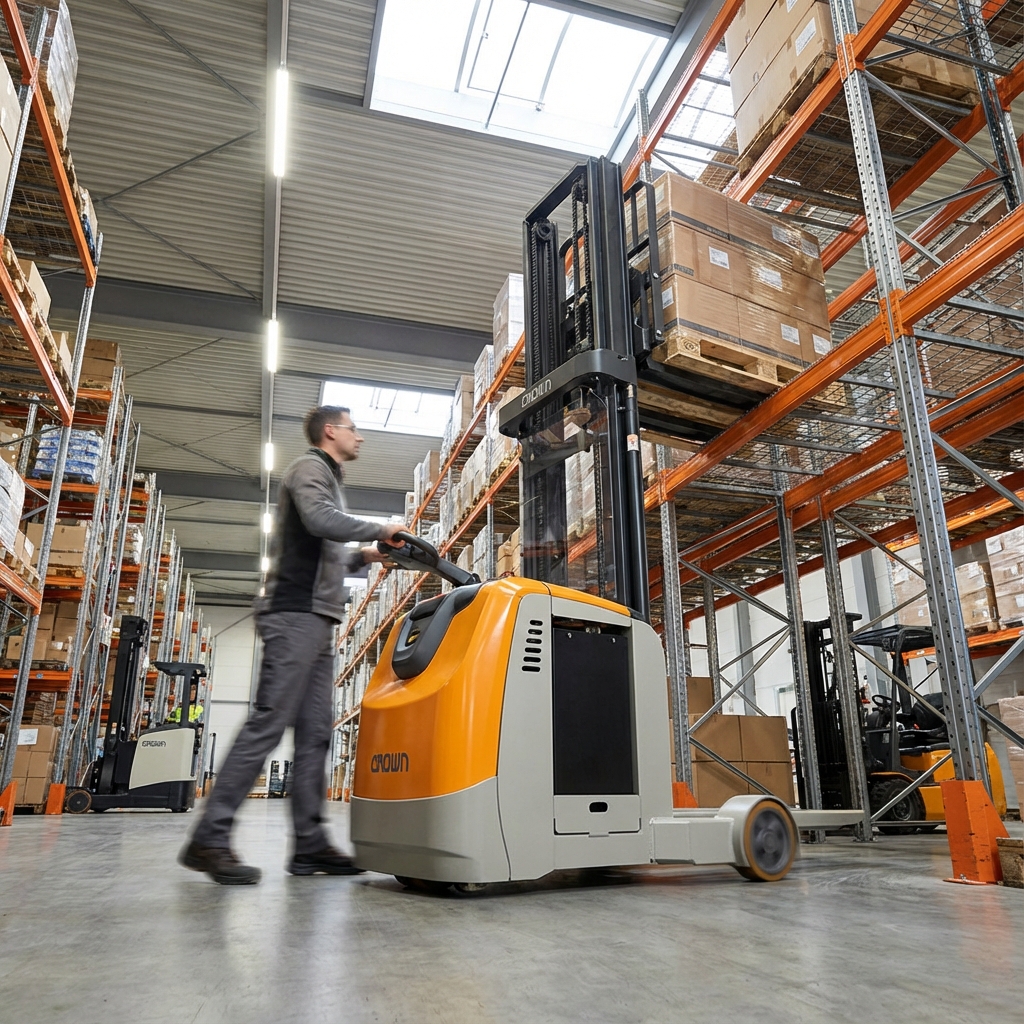
If your building is running out of floor space, the next question is rarely “do we need racks?” It is usually which pallet racking system will hold the right inventory mix without slowing the operation down. The correct layout can raise storage density, protect product, and reduce unnecessary travel. The wrong one locks you into poor selectivity, damaged uprights, and expensive retrofits.
This guide covers the core pallet racking industrial options, the sizes that matter, the cost ranges buyers are using in 2026, and the safety checks that should be on every warehouse manager’s list.
What is pallet racking?
Pallet racking is a structural storage system that holds palletized inventory on multiple levels. Instead of floor-stacking every load, the warehouse uses uprights, beams, decking, and aisle planning to store pallets vertically. That increases storage density and keeps SKUs accessible to forklifts, pallet jacks, and replenishment teams.
Every warehouse does not need the same design. A building with many SKUs and frequent picking needs different storage logic than a cold room with high-volume reserve pallets. That is why system choice matters more than the label alone.
If you are still deciding which pallet footprint belongs in the building, review What Is a Pallet? Complete Guide and compare footprints in the pallet dimensions tool before finalizing rack spans.
Types of pallet racking systems
Selective racking
Selective rack is the default choice for most warehouses because it gives direct access to every pallet position.
| Advantage | Limitation |
|---|---|
| High selectivity | Lower storage density than deep-lane systems |
| Easy to install and reconfigure | More aisles required |
| Good for mixed SKUs | Less efficient for uniform bulk storage |
For many operations, selective rack represents roughly 70% of installed warehouse rack volume because it is flexible, understandable, and easy to expand.
Drive-in and drive-through racking
Drive-in systems increase storage density by letting forklifts enter the rack lane. They work best when each lane stores the same product or batch.
- Drive-in favors LIFO storage
- Drive-through allows loading on one side and retrieval on the other
These systems save floor space, but they slow selectivity and require careful forklift discipline.
Push-back racking
Push-back rack stores pallets on nested carts or rails several positions deep. The operator loads from the aisle face, and each new pallet pushes the previous pallet backward.
- Good density without entering the lane
- Strong fit for medium-SKU operations
- Usually managed as LIFO
Pallet flow or gravity flow racking
Pallet flow systems move pallets on inclined rollers from the loading side to the picking side. This is one of the best systems for FIFO handling in food, beverage, and date-sensitive inventory.
Cantilever racking
Cantilever rack is not the answer for every pallet load, but it matters when the warehouse handles long, awkward materials like pipe, lumber, extrusion, or sheet stock. Buyers often compare it with pallet rack by mistake. The best way to separate the two is simple: pallet rack is built for palletized loads, while cantilever is built for long loads with open face access.
Double deep racking
Double deep rack increases density by storing one pallet behind another. It requires the right lift truck reach and usually sacrifices direct access compared with selective rack.
How to choose the right racking system
Start with flow logic: FIFO vs LIFO
Your replenishment method usually narrows the field fast:
- FIFO: pallet flow or carefully designed drive-through systems
- LIFO: push-back or drive-in systems
- High selectivity: selective rack
Match the system to the product
Ask three questions:
- Is the load palletized, long, irregular, or crush-sensitive?
- Is the SKU count high or low?
- Does the product rotate quickly or sit in reserve storage?
High-SKU mixed inventory usually favors selective racking. Dense reserve storage for uniform pallets may justify push-back or drive-in. Long stock usually needs cantilever instead of pallet rack.
Budget and growth path
The cheapest system to install is not always the cheapest system to own. If your operation changes frequently, selective rack often wins because it is easier to move and re-slot. If space is the expensive variable, deeper storage designs can justify their added structural cost.
Need help choosing? Request a free quote with your pallet size, number of pallet positions, forklift type, and target throughput.
Pallet racking dimensions and specifications
Common beam spans
| Beam span | Typical use |
|---|---|
| 96" | Two 48x40 pallets with tighter fit |
| 108" | Two 48x40 pallets with better side clearance |
| 120" | Wider loads or more clearance for handling |
| 144" | Three pallets in selective layouts where load and aisle planning allow it |
Common upright heights
| Upright height | Common use |
|---|---|
| 8' to 10' | Backroom and low-clear warehouse |
| 12' to 16' | Standard warehouse selective rack |
| 18' to 24' | High-bay storage with appropriate lift equipment |
| 30'+ | Engineered high-bay and distribution centers |
Capacity planning
Rack systems are usually rated by:
- Capacity per beam pair
- Capacity per level
- Capacity per bay
- Maximum upright load
Never buy rack on beam length alone. The pallet weight, pallet support condition, and lift truck impact environment all change what the rack should carry.
Safety clearance
Most operators need practical side and top clearance for clean put-away and retrieval. Buyers commonly leave space for:
- Fork entry and pallet overhang
- Upright deflection
- Sprinkler and flue requirements
- Damaged pallet replacement tolerance
Pallet racking cost guide for 2026
Warehouse managers usually budget pallet rack by pallet position rather than by steel weight. A reasonable planning range in 2026 looks like this:
| Item | Typical 2026 cost |
|---|---|
| New selective rack | $150 to $300 per pallet position |
| Used rack | $80 to $150 per pallet position |
| Installation | $3 to $8 per linear foot |
| Wire decking or accessories | Additional cost depending on code and layout |
What changes the price most:
- Rack height and bay depth
- Seismic zone and local engineering requirements
- Capacity requirements
- New vs used steel
- Guards, anchors, and decking
Safety and compliance
Two references matter in most US projects:
- OSHA 29 CFR 1910.176(b) for safe storage of materials
- ANSI MH16.1 / RMI design guidance for industrial steel storage rack
Beyond code references, the real-world checklist is straightforward:
- Post visible load signs
- Inspect uprights, anchors, and beam locks regularly
- Replace damaged components with compatible parts
- Protect columns in traffic areas
- Train operators not to load damaged pallets into rack
If you are storing lightweight export pallets or plastic pallets, make sure the pallet itself is suitable for supported beam storage. A product like the H-1211 rackable plastic pallet is built differently from a nestable export pallet. For more on load ratings, review Pallet Weight Capacity.
Mistakes that make warehouse pallet racks underperform
- Designing around today’s SKU mix without planning for growth
- Using the wrong pallet size for the beam span
- Ignoring forklift turning and aisle requirements
- Buying used rack without verifying compatibility and damage history
- Failing to label capacities clearly
Where PalletCorner fits
PalletCorner does not treat rack planning as a steel-only purchase. Rack decisions are tied to pallet footprint, pallet quality, and how loads move through the building. That is why many buyers start with pallets, check a live rackable option like H-1211, and then define the rack layout.
For a shorter overview article, see our pallet racking overview. Use this guide when you need the deeper planning version.
FAQ
What is the most common pallet racking system?
Selective pallet racking is the most common system because it gives direct access to every pallet position and works well in mixed-SKU warehouses.
How much do warehouse pallet racks cost in 2026?
New pallet racks often budget at about $150 to $300 per pallet position, while used systems often range from $80 to $150 per position. Installation, decking, guards, and engineering can add significantly to the final cost.
Which racking system is best for FIFO inventory?
Pallet flow racking is one of the strongest FIFO options because pallets load from one side and pick from the other. Drive-through systems can also support FIFO in the right layout.
What pallet size should I design rack around?
Design the rack around the pallet size you actually ship and store most often. In US buildings that is often 48" x 40", but Euro and ISO footprints may be better for export-driven operations.
What safety standard applies to pallet racks?
US facilities commonly reference OSHA 29 CFR 1910.176(b) for safe material storage and ANSI MH16.1 / RMI guidance for industrial steel rack design and use.
If you are planning a rack project, start with your pallet footprint, target number of pallet positions, and forklift type. Then contact PalletCorner to compare rackable pallet options and layout assumptions before steel is ordered.