Pallet Jack Maintenance: Practical Guide for Warehouses
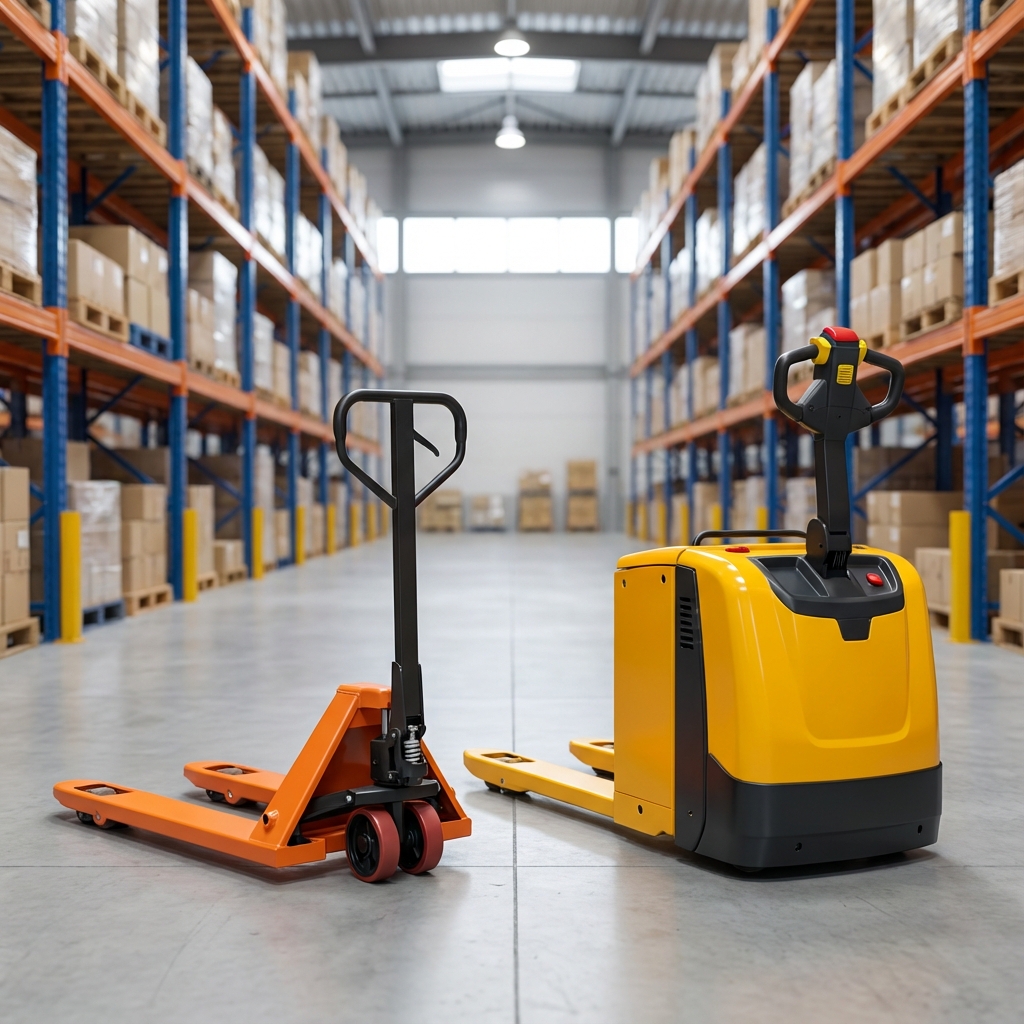
A clear routine for pallet jack maintenance reduces downtime and keeps daily operations smooth. This guide outlines simple checks that prevent most failures.
Quick answer
Create a daily visual check, a weekly inspection, and a monthly deep check. Consistency beats complexity.
Daily and weekly routine
Daily: inspect forks, wheels, and hydraulic response.
Weekly: clean debris, check for leaks, and confirm smooth lift action.
Monthly: inspect bearings, fasteners, and handle alignment.
Wear parts to monitor
Watch wheels, seals, and hydraulic components for signs of wear. Replacing small parts early prevents costly downtime.
Safety notes
Never use damaged equipment. Tag it out and repair before returning to service. Train operators to report issues early.
Frequently Asked Questions
Q1: What does 'pallet jack maintenance' usually refer to?
It refers to the most common user intent for this topic. Focus on the practical decision your operation needs to make.
Q2: How do I choose the right option?
Start with load type, environment, and frequency of use. Then match specs, safety requirements, and budget.
Q3: Do I need special training or compliance checks?
For material handling equipment, basic safety training is recommended. For export pallets, check compliance rules.
Q4: Where should I buy from?
Work with suppliers that provide clear specs, consistent quality, and reliable support.
Conclusion
A short, consistent maintenance routine reduces unexpected failures. Build it into daily workflow to keep equipment reliable.
---
Related Articles:
Shop Our Products:
Buyer questions
Ask suppliers these questions before committing:
- What quality checks are performed before shipment?
- Are replacement parts or accessories readily available?
- What is the typical lead time in peak season?
- How do you handle damage claims?
Operational tips
Standardize equipment across teams to reduce training time. Label storage areas and keep documentation in one place. Simple consistency improvements often deliver faster gains than expensive upgrades.
Mistakes to avoid
- Selecting equipment without checking floor conditions
- Overloading to save trips
- Skipping inspection routines
- Mixing incompatible pallet sizes
Quick recap
Focus on fit, safety, and consistent workflow. Those three factors solve most material handling decisions.
Troubleshooting guide
If the lift feels weak, check hydraulic fluid and seals. If the wheels drag, inspect bearings and debris. If the handle feels loose, check fasteners and linkages. Small adjustments usually prevent bigger failures.
Spare parts plan
Keep common wear parts on hand: wheels, seals, and small fasteners. A minimal spare parts kit reduces downtime and keeps maintenance predictable.
If your maintenance costs keep climbing because the route is too long or the daily cycle count is too high, compare equipment classes in Electric vs Manual Pallet Jack before buying another manual unit.
Record keeping
Track maintenance by date and issue type. A simple log reveals patterns and helps you replace parts before failures.
Quick recap
Focus on safety, fit, and consistent workflows. Those three factors solve most warehouse decisions.
Detailed planning framework
A reliable planning framework starts with three questions: what is the load, where will it move, and how often will it be handled. When you map those answers, you can choose the right pallet type, handling equipment, and safety routine. If your operation uses multiple shifts, document the exact sequence of steps so operators are consistent. Consistency protects equipment and reduces damage to goods.
Next, map the flow: inbound dock, staging, storage, picking, and outbound. At each stage, identify the equipment that touches the pallet or load. If there is a mismatch between pallet size and the handling equipment, fix it early. Most inefficiency comes from small mismatches rather than big failures.
Finally, create a standard checklist and review it monthly. A short checklist prevents avoidable errors and gives new operators a clear baseline.
Quality and risk control
Quality control is not a one time event. It is a simple routine repeated at receiving, staging, and daily use. For pallets, watch for cracked deck boards, missing fasteners, or warping. For handling equipment, watch for unusual noise, slow lift response, and worn wheels. When issues are found early, the fix is small and the cost is low.
Risk control also includes clear labeling. Mark high traffic paths and define parking areas for equipment. When equipment is stored consistently, operators waste less time and collision risk drops. Small operational changes like this often deliver better ROI than new hardware.
Implementation checklist
Use this checklist to implement changes without disrupting operations:
- Confirm the new pallet or equipment spec
- Train operators on the updated workflow
- Update signage and storage labels
- Run a short pilot in one zone
- Collect feedback from operators
- Standardize the change across shifts
A structured rollout makes adoption smoother and reduces confusion.
Training and documentation
Document the core steps in one page: inspection, operation, and shutdown. Keep that page near the equipment or inside the training pack. When new staff join, they can follow a short checklist instead of guessing. This improves safety, reduces damage, and keeps operations stable across shifts.
Detailed planning framework
A reliable planning framework starts with three questions: what is the load, where will it move, and how often will it be handled. When you map those answers, you can choose the right pallet type, handling equipment, and safety routine. If your operation uses multiple shifts, document the exact sequence of steps so operators are consistent. Consistency protects equipment and reduces damage to goods.
Next, map the flow: inbound dock, staging, storage, picking, and outbound. At each stage, identify the equipment that touches the pallet or load. If there is a mismatch between pallet size and the handling equipment, fix it early. Most inefficiency comes from small mismatches rather than big failures.
Finally, create a standard checklist and review it monthly. A short checklist prevents avoidable errors and gives new operators a clear baseline.
Quality and risk control
Quality control is not a one time event. It is a simple routine repeated at receiving, staging, and daily use. For pallets, watch for cracked deck boards, missing fasteners, or warping. For handling equipment, watch for unusual noise, slow lift response, and worn wheels. When issues are found early, the fix is small and the cost is low.
Risk control also includes clear labeling. Mark high traffic paths and define parking areas for equipment. When equipment is stored consistently, operators waste less time and collision risk drops. Small operational changes like this often deliver better ROI than new hardware.
Implementation checklist
Use this checklist to implement changes without disrupting operations:
- Confirm the new pallet or equipment spec
- Train operators on the updated workflow
- Update signage and storage labels
- Run a short pilot in one zone
- Collect feedback from operators
- Standardize the change across shifts
A structured rollout makes adoption smoother and reduces confusion.
Training and documentation
Document the core steps in one page: inspection, operation, and shutdown. Keep that page near the equipment or inside the training pack. When new staff join, they can follow a short checklist instead of guessing. This improves safety, reduces damage, and keeps operations stable across shifts.
Detailed planning framework
A reliable planning framework starts with three questions: what is the load, where will it move, and how often will it be handled. When you map those answers, you can choose the right pallet type, handling equipment, and safety routine. If your operation uses multiple shifts, document the exact sequence of steps so operators are consistent. Consistency protects equipment and reduces damage to goods.
Next, map the flow: inbound dock, staging, storage, picking, and outbound. At each stage, identify the equipment that touches the pallet or load. If there is a mismatch between pallet size and the handling equipment, fix it early. Most inefficiency comes from small mismatches rather than big failures.
Finally, create a standard checklist and review it monthly. A short checklist prevents avoidable errors and gives new operators a clear baseline.
Quality and risk control
Quality control is not a one time event. It is a simple routine repeated at receiving, staging, and daily use. For pallets, watch for cracked deck boards, missing fasteners, or warping. For handling equipment, watch for unusual noise, slow lift response, and worn wheels. When issues are found early, the fix is small and the cost is low.
Risk control also includes clear labeling. Mark high traffic paths and define parking areas for equipment. When equipment is stored consistently, operators waste less time and collision risk drops. Small operational changes like this often deliver better ROI than new hardware.
Implementation checklist
Use this checklist to implement changes without disrupting operations:
- Confirm the new pallet or equipment spec
- Train operators on the updated workflow
- Update signage and storage labels
- Run a short pilot in one zone
- Collect feedback from operators
- Standardize the change across shifts
A structured rollout makes adoption smoother and reduces confusion.